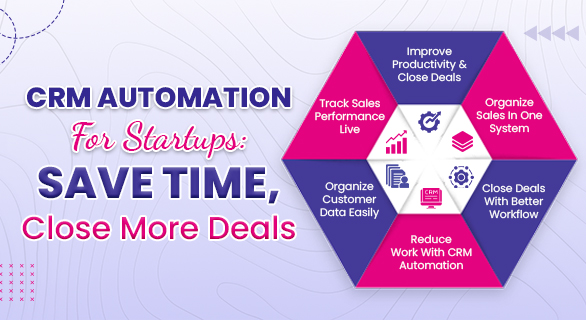
CRM Automation for Startups: Save Time, Close More Deals
Running a startup often means working with limited resources, small teams, and a constant flow of responsibilities. Founders and sales teams must manage leads, track follow-ups, handle meetings, and maintain customer communication simultaneously. Manually handling these tasks through spreadsheets, messages, and notes can easily lead to the loss of important opportunities. This is where CRM automation for startups becomes an essential solution.
A structured CRM system helps startups organize their sales activities and reduce manual workload. Instead of relying on scattered tools and manual tracking, a modern system like 365 CRM allows teams to manage leads, automate follow-ups, track tasks, and monitor sales performance from a single platform. By automating repetitive processes, startups can save time and focus more on building customer relationships and closing deals.
What is CRM Automation for Startups
CRM automation refers to the use of technology to automatically handle repetitive sales and customer management tasks. Instead of manually assigning leads, setting reminders, or tracking communication, the system manages these processes based on predefined workflows.
For startups, this automation helps create a structured sales process without increasing operational complexity. A startup CRM software like 365 CRM provides tools that simplify daily activities, such as lead tracking, task management, and follow-up scheduling. This ensures that sales teams can focus on conversations and deal closures rather than administrative work.
Why Startups Need CRM Automation
Startups often face the challenge of managing multiple leads with limited manpower. Without a proper system, teams may struggle with missed follow-ups, delayed responses, and unorganized lead data.
Using sales automation for startups offers several advantages.
Better lead organization
Every inquiry from different sources can be stored in a single system.
Faster response time
Sales teams receive real-time updates about new leads.
Improved follow-up consistency
Automated reminders ensure that no potential customer is forgotten.
Higher team productivity
Automation reduces repetitive work and allows teams to focus on sales conversations.
These improvements directly influence how efficiently a startup converts inquiries into paying customers.
Key Features That Make CRM Automation Effective
Modern CRM platforms provide several features that help startups streamline their operations. A lead management CRM like 365 CRM integrates multiple functions that simplify the entire sales process.
Lead Management
A centralized lead management system allows businesses to capture and organize inquiries from multiple sources. Instead of manually collecting information, leads are stored in one place with detailed records.
Sales teams can easily view lead information, update statuses, and track communication history. This organized approach prevents lead loss and improves follow-up quality.
Task and Activity Management
Sales activities involve multiple tasks such as follow-ups, meetings, and updates. CRM automation allows teams to schedule tasks, assign responsibilities, and monitor progress from a single dashboard.
Managers can see which tasks are pending and which leads require attention. This clarity helps teams maintain a structured workflow.
Customer Reminders and Meeting Management
Startups often miss opportunities simply because follow-ups are delayed. Automated reminders ensure that sales teams contact leads at the right time.
Meeting scheduling within the CRM allows teams to organize discussions with potential customers and track their outcomes. This structured approach improves communication consistency.
Lead Tracking and Follow-Up Visibility
Lead information plays a major role in managing the sales process. CRM systems that organize lead sources make it easier for teams to understand where inquiries are coming from and respond with better follow-ups.
When lead details are recorded inside the system, sales teams get complete visibility of the lead source, requirements, and interaction notes. Executives can add comments after calls and update follow-ups, allowing teams to track conversations and client needs without depending on memory.
Data Driven Sales Insights
One of the biggest advantages of CRM automation is access to performance data. Sales insights help teams understand which leads are more likely to convert and which strategies are working effectively.
By analyzing this information, startups can adjust their sales approach and improve overall performance.
How Automation Helps Startups Close More Deals
Closing deals is not only about generating leads but also about managing them properly. Many startups lose opportunities due to inconsistent follow-ups or delayed responses.
The table below explains the difference between manual sales management, which involves handling sales processes by hand, and CRM automation, which uses software to manage customer relationships and sales activities automatically.
| Aspect | Manual Sales Process | CRM Automation |
| Lead Tracking | Scattered across multiple tools | Centralized lead database |
| Follow Ups | Often delayed or forgotten | Automated reminders |
| Task Management | Manual coordination | Automated task assignments |
| Sales Visibility | Limited team insights | Real-time performance tracking |
| Productivity | Time-consuming processes | Faster and structured workflow |
With automated systems in place, startups can maintain consistent communication with prospects and move leads through the sales funnel more efficiently.
Seamless Integrations Improve Workflow
A major challenge for startups is managing different tools used for lead generation and communication. CRM platforms that support integrations simplify this problem.
365 CRM connects with popular lead generation platforms and communication tools, allowing businesses to bring all their sales data into one place. Instead of switching between multiple applications, teams can manage everything from a single dashboard.
This unified workflow saves time and reduces operational complexity.
Real Time Sales Visibility for Better Decisions
Another major advantage of CRM automation is real-time visibility. Business owners and sales managers can instantly see how leads are progressing through the pipeline.
With clear insights into team activities and lead performance, managers can identify potential bottlenecks early. This allows them to make informed decisions and guide their teams more effectively.
Such data-driven decision-making is essential for startups that want to scale their sales operations quickly.
Is CRM Automation the Right Choice for Your Startup
Not every startup begins with a structured sales process, but implementing CRM automation early can create long-term advantages.
A CRM system is especially useful for businesses that
Receive inquiries from multiple channels
Work with a growing sales team.
Need consistent follow-up processes.
Want clear visibility into sales performance?
Using a CRM for small business operations helps startups build discipline in their sales management while keeping operations organized.
Conclusion
For startups aiming to grow quickly, managing leads and customer relationships efficiently is critical. Manual processes often lead to missed opportunities and unnecessary workload. Implementing CRM automation for startups helps create a structured sales system that improves productivity and ensures consistent follow-ups.
Solutions like 365 CRM provide a unified platform where teams can manage leads, track tasks, organize meetings, and gain valuable sales insights. By automating routine activities and centralizing information, startups can focus on what truly matters: building strong customer relationships and closing more deals.
When automation supports the sales process, startups not only save time but also create a foundation for sustainable business growth.
CRM automation for startups means using a CRM system to automatically manage leads, follow-ups, tasks, and customer data. It reduces manual work and helps startup teams handle sales activities more efficiently.
Startups often handle many leads with small teams. CRM automation helps organize lead data, schedule follow-ups, and track sales activity so opportunities are not missed.
CRM automation sends reminders for follow-ups, tracks lead status, and keeps customer data organized. This allows sales teams to respond faster and manage prospects more effectively.
Yes, CRM automation is useful for small teams because it reduces manual workload and keeps sales processes organized. Even startups with limited staff can manage leads and tasks efficiently.
Startups should look for features like lead management, automated follow-ups, task reminders, sales tracking, and mobile access. These features help teams manage operations efficiently and maintain better control over sales activities.