
















































A potential buyer submits a property enquiry through 99acres. Another prospect fills out a Facebook lead form, while someone else sends a WhatsApp message asking about an upcoming residential project.
Your sales team is already busy handling calls and conducting site visits. By the time these enquiries are reviewed manually, some prospects may have already contacted another property agent.
For real estate businesses, generating leads is only one part of the sales process. Managing those enquiries, responding at the right time, arranging property visits, and maintaining communication throughout the buying journey are equally important.
When these steps depend entirely on manual effort and individual memory, things fall through. Leads go cold. Follow-ups get delayed. Site visits are arranged without proper records. The team works hard but conversions do not reflect that effort.
This is where Real Eestate CRM Software becomes valuable.
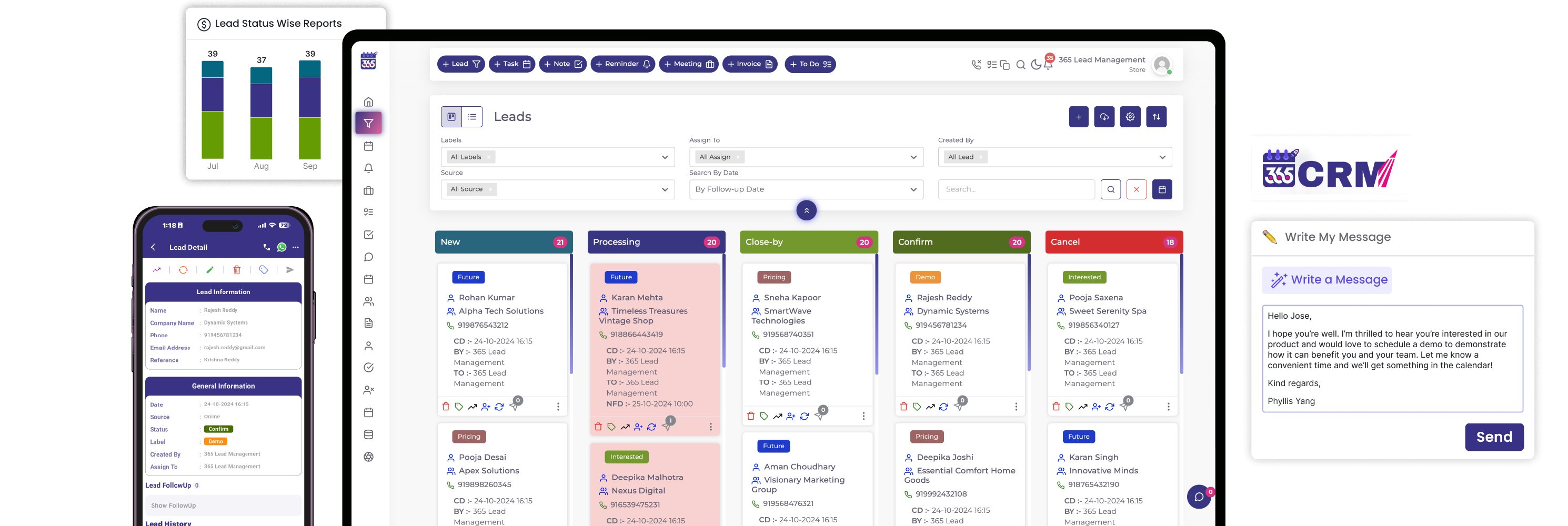
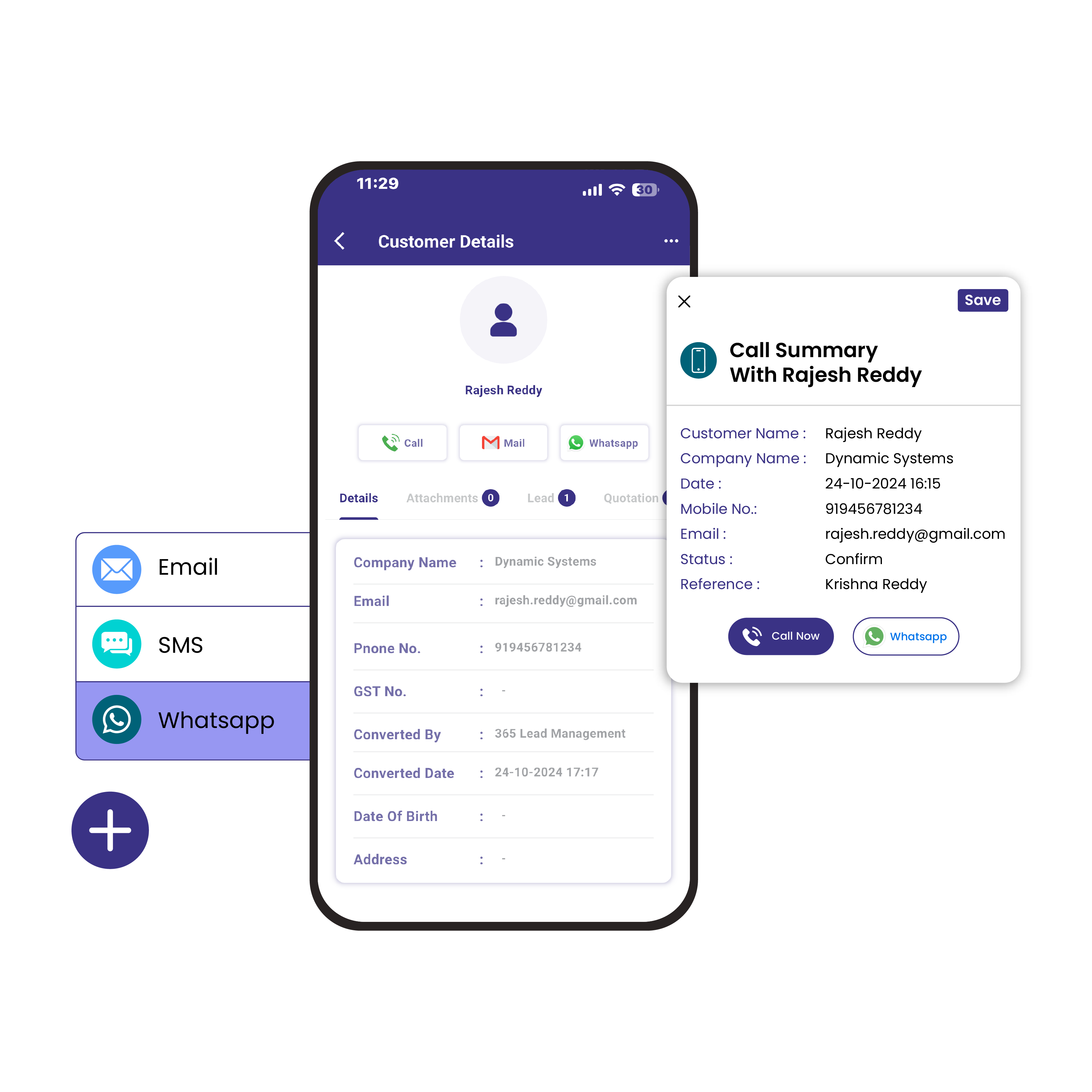
A customer relationship management (CRM) system helps real estate agents organise property enquiries, manage follow-ups, monitor sales activities, and maintain complete customer information in one place. Instead of depending on spreadsheets, phone records, and individual reminders, agents can work through a structured sales process that keeps every lead visible and every follow-up on schedule.
For property dealers, real estate agencies, brokers, and developers in India, CRM software can make daily operations easier to manage and significantly reduce the gap between inquiry and conversion.
In this guide, we explore 10 practical ways a CRM can help real estate agents close more deals, along with how 365 CRM supports different stages of the property sales journey.