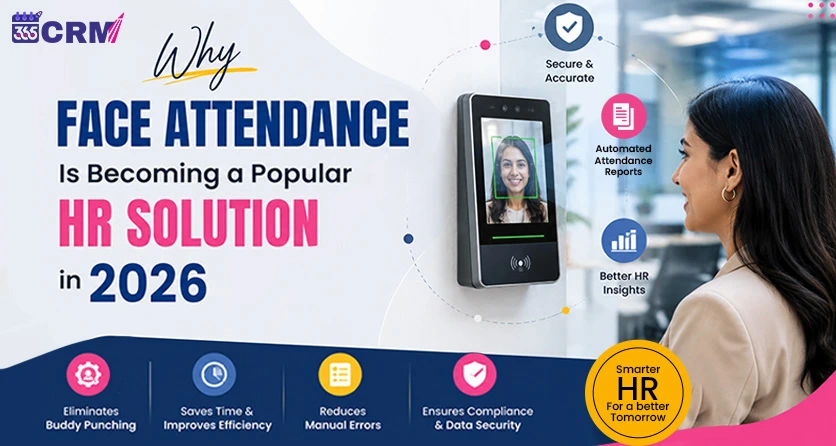
Why Face Attendance Is Becoming a Popular HR Solution in 2026
Employee attendance management has always been an important part of HR operations. However, as businesses grow, managing attendance through traditional methods becomes more difficult.
Manual registers, spreadsheets, and disconnected attendance processes can create challenges such as incorrect entries, delayed reporting, and extra workload for HR teams.
Modern businesses are now moving toward digital attendance solutions that make employee tracking faster, simpler, and more organized. A face attendance system is becoming a preferred choice for many organizations because it helps reduce dependency on manual attendance processes and improves workforce management.
In 2026, businesses are focusing more on automation, better employee visibility, and connected HR operations. Face attendance technology supports this shift by helping companies manage attendance in a more efficient way.
What Is a Face Attendance System?
A face attendance system is a digital solution that uses facial recognition technology to verify employee identity and record attendance.
Instead of depending on traditional attendance registers or manual entries, employees can mark their attendance through a digital system that records attendance information in an organized manner.
For HR teams, this means easier attendance monitoring, improved record management, and better visibility into employee attendance activities.
When connected with employee management and payroll processes, attendance data becomes more useful for managing daily business operations.
Why Traditional Attendance Methods Are Becoming Challenging
Many organizations still use traditional attendance methods, but these approaches often become difficult to manage as employee numbers increase.
Manual Attendance Records
Maintaining attendance through registers or spreadsheets requires continuous manual effort. Small mistakes in entries can create confusion during attendance reviews and payroll preparation.
Time-Consuming HR Work
HR teams spend valuable time collecting attendance information, checking records, and preparing reports.
Automated attendance systems help reduce repetitive administrative work and allow HR professionals to focus on more important tasks.
Limited Visibility Across Teams
Businesses with multiple employees, branches, or field teams need better ways to monitor attendance activities without depending only on physical attendance locations.
Attendance Management Challenges
When attendance information is scattered across different systems, it becomes harder for businesses to maintain organized employee records.
Why Businesses Are Adopting Face Attendance Systems in 2026
1. Faster and More Organized Attendance Tracking
One of the biggest advantages of a face attendance system is that it helps businesses maintain employee attendance digitally.
Instead of manually checking attendance records, HR teams can manage attendance information through a centralized system.
This helps organizations:
- Maintain better attendance records
- Reduce manual tracking
- Improve reporting
- Save HR time
2. Reduces Attendance-Related Errors
Attendance information directly affects payroll and employee records.
Manual processes can sometimes lead to incorrect entries or missing information. Digital attendance solutions help businesses maintain more structured records and reduce common attendance management issues.
Accurate attendance data also helps HR teams handle employee queries more efficiently.
3. Helps Manage Employees Across Different Locations
Many businesses have employees working from different offices, branches, or field locations.
A digital attendance system helps organizations maintain better workforce visibility without depending completely on traditional attendance methods.
This is especially useful for:
- Sales teams
- Service professionals
- Multi-location businesses
- Growing organizations
4. Saves HR Team Time Through Automation
HR departments manage multiple responsibilities every day, and attendance tracking can consume significant time.
With attendance automation, businesses can simplify tasks such as:
- Employee attendance tracking
- Attendance record management
- Monthly attendance reviews
- Workforce reporting
This allows HR teams to work more efficiently.
5. Better Connection Between Attendance and Payroll
Attendance information plays an important role in payroll management.
When attendance records are properly maintained, businesses can reduce manual calculations and improve salary processing workflows.
A connected system that combines employee management, attendance tracking, and payroll-related operations helps organizations create a smoother HR process.
How Face Attendance Works in Employee Management
A typical face attendance workflow includes:
Employee Registration
Employee details are added to the system to create an organized workforce database.
Face Verification
During attendance marking, the system verifies the employee's identity using facial recognition technology.
Attendance Recording
The attendance information is recorded digitally for future reference and reporting.
HR Management Dashboard
HR teams can access attendance information and manage employee records through a centralized platform.
This process helps businesses replace manual attendance methods with a more structured approach.
Key Benefits of Using Face Attendance Software
| Benefit | Business Advantage |
| Digital attendance tracking | Reduces dependency on manual records |
| Faster attendance process | Saves employee and HR time |
| Better attendance visibility | Helps monitor workforce activities |
| Organized employee records | Makes HR management easier |
| Improved reporting | Provides better attendance insights |
| Payroll support | Helps maintain accurate attendance data |
How 365CRM Helps Businesses Manage Employee Operations
Businesses today need more than just attendance tracking. They need connected systems that help manage employees and daily operations efficiently.
365CRM provides businesses with tools for customer management, employee management, attendance-related processes, and business automation.
By bringing different business activities together, 365CRM helps organizations maintain better operational control and improve productivity.
Instead of managing different processes separately, businesses can use a connected platform to organize their workforce and business activities more effectively.
Important Features Businesses Should Look For in Face Attendance Software
Before selecting a face attendance solution, businesses should evaluate features that support long-term HR requirements.
Employee Management
The system should allow businesses to manage employee information efficiently and keep workforce records organized.
Attendance Reports
HR teams should have access to clear attendance information for monitoring and reporting.
Payroll Support
Attendance records should support smoother payroll-related workflows.
Easy Integration
A good solution should work well with existing business processes and management systems.
Face Attendance and the Future of HR Management
HR technology is continuously moving toward automation and connected workforce management.
Businesses are no longer looking only for attendance recording tools. They want solutions that help them manage employees, improve reporting, and simplify daily operations.
Face attendance systems are becoming an important part of this digital transformation by helping organizations create more efficient HR processes.
Conclusion
A face attendance system helps businesses move away from traditional attendance methods and adopt a smarter approach to employee management.
By improving attendance tracking, reducing manual work, and supporting better HR operations, face attendance technology is becoming a valuable solution for modern organizations.
For businesses looking to improve workforce management, combining attendance solutions with employee management and business automation tools can create a more efficient operational workflow.
FAQs
A face attendance system is a digital attendance solution that uses facial recognition technology to verify employees and record attendance without depending on traditional manual methods.
Businesses use face attendance systems to reduce manual attendance work, improve record management, and create a more organized employee tracking process.
Yes, face attendance solutions can help small and medium businesses manage employee attendance more efficiently while reducing administrative workload.
Yes, organized attendance records can support payroll processes by providing better attendance information and reducing manual attendance calculations.
Face attendance uses a mobile camera to verify employee identity, so businesses don't need separate biometric machines, punch cards, or manual registers. Employees mark attendance directly through the HR mobile app, and records are stored digitally.